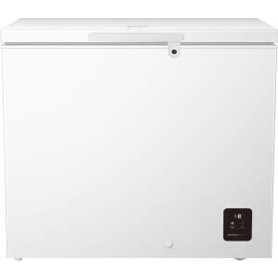
The Comprehensive Guide to Energy-Efficient Chest Freezers
In an age where energy efficiency is ending up being increasingly important, chest freezers have emerged as a flexible and environmentally friendly choice for homes and businesses alike. Not just do they provide adequate storage for frozen goods, however an energy-efficient model can likewise significantly lower electrical power expenses, make a positive environmental effect, and enhance food preservation. This post delves into the essential functions of energy-efficient chest freezers, offers valuable comparisons, and responses frequently asked questions to help you make an informed choice.
Why Choose an Energy-Efficient Chest Freezer?
Energy-efficient chest freezers are created to minimize power intake, therefore lowering your carbon footprint and conserving you money on electricity expenses. Here are some factors to consider purchasing energy-efficient options:
- Cost Savings: Lower energy usage implies decreased electrical power expenses, resulting in significant savings over the life-span of the home appliance.
- Ecological Impact: Reducing energy use decreases greenhouse gas emissions, making it a more responsible choice for eco-conscious consumers.
- Food Preservation: The temperature level stability in chest freezers permits much better food preservation compared to less efficient designs or traditional upright freezers.
- Versatility: These freezers are ideal for saving bulk purchases, meal prep, and seasonal food products, making them outstanding for large families or small companies.
Secret Features of Energy-Efficient Chest Freezers
When searching for an energy-efficient chest freezer, consider the following features:
| Feature | Description |
|---|---|
| Energy Star Certification | Makes sure that the freezer meets stringent energy efficiency standards set by the U.S. Environmental Protection Agency. |
| Insulation | High-quality insulation keeps cold air, enabling the freezer to maintain temperature level without consistent energy draw. |
| Size | Smaller sized models usually take in less energy; however, consider your storage requires when picking a size. |
| Temperature Control | Adjustable thermostats permit users to set optimum storing temperatures, helping in reducing energy consumption. |
| Place of the Compressor | Bottom-mounted compressors are frequently more energy-efficient than top-mounted models. |
Energy Consumption Comparison
To assist you evaluate energy-efficient choices, we have actually supplied a comparison of various models based on their annual energy usage.
| Design Name | Volume (cu. ft.) | Annual Energy Consumption (kWh) | Estimated Annual Cost (₤) |
|---|---|---|---|
| Model A (Energy Star) | 5.0 | 200 | ₤ 24 |
| Design B (Energy Efficient) | 7.0 | 250 | ₤ 30 |
| Model C (Standard) | 5.0 | 350 | ₤ 42 |
| Model D (High Efficiency) | 10.0 | 400 | ₤ 48 |
Keep in mind: The approximated yearly cost is computed based on a typical electrical power rate of ₤ 0.12 per kWh, which might vary by area.
Advantages Beyond Efficiency
In addition to energy cost savings, there are numerous other advantages to owning a chest freezer:
- Flexibility: Freezing large quantities of food can assist in saving cash in the long run.
- Emergency situation Preparedness: Having a freezer loaded with food can be a lifesaver during emergency situations or natural catastrophes.
- Convenience: These systems can keep bulk meats, vegetables, and pre-prepared meals, minimizing the requirement for regular journeys to the grocery shop.
Tips for Maximizing Efficiency
Here are numerous suggestions to consider when using an energy-efficient chest freezer:
- Keep It Full: A complete freezer retains cold better than an empty one. Use ice packs or containers filled with water to fill empty area.
- Prevent Frequent Opening: Minimize the number of times you open the cover to preserve consistent temperature level.
- Position Wisely: Place the freezer in a cool place away from heat sources like ovens or direct sunshine to enhance efficiency.
- Regular Maintenance: Clean the coils and check door seals regularly to make sure optimum functioning.
- Display Temperature: Keep a thermometer inside to ensure the temperature level is regularly at or listed below 0 ° F(-18 ° C)
. Regularly Asked Questions (FAQs)
What size chest freezer do I require?
The size of the freezer will mainly depend on your household requires. A basic standard is that you must assign 1 cubic foot of area per individual in your household. For example, a household of four might need a freezer with a capacity of a minimum of 5-8 cubic feet.
How can I tell if my freezer is energy-efficient?
Look for the Energy Star label, which indicates that the appliance satisfies or exceeds energy efficiency standards. Furthermore, inspect the specification sheet for the annual energy consumption in kWh.
Are bigger chest freezers more energy-efficient?
Not necessarily. While Gefrierschrank Mit Schubladen Günstig can provide more storage, energy consumption depends on numerous factors, such as insulation quality and design. A well-insulated smaller model might be more efficient than a bigger, inadequately insulated model.
For how long can food last in a chest freezer?
Foods stored in a chest freezer can last from several months to a year, depending on the kind of food. For highest quality, freeze meats, veggies, and ready meals for approximately 6-12 months, while baked goods can last for about 3-6 months.
Is it better to buy a brand-new chest freezer or an older model?
Newer models are normally more energy-efficient due to enhancements in innovation and design. While older designs might have a lower upfront expense, they could cause higher electrical power bills over time.
Investing in an energy-efficient chest freezer provides numerous benefits, from expense savings to better food storage. By understanding the essential functions, comparing models based upon energy consumption, and following best practices for upkeep and use, consumers can make educated choices that benefit both their wallets and the environment. Before purchasing, consider your specific requirements and requirements, and keep in mind to try to find those necessary energy efficiency labels.